Pipes normally fall short at the most awful feasible minute, and the Willamette Valley's freeze-thaw cycles have a way of locating vulnerable points. If you reside in Oregon City, you being in a climate band where winter season lows periodically dip right into the 20s, after that bounce back above cold by mid-day. That swing, plus older housing supply and variable water pressure on hills like McLoughlin and Park Place, develops the ideal tornado for burst pipes. As a person who has invested a lot of winter months weekend breaks mapping leakages across crawlspaces and dealing with neighborhood repair crews, I can inform you the first hour issues most. With a calm head and a couple of decisive actions, you can restrict damages, maintain repair service prices in check, and get your home back to regular faster.
Why burst pipes occur here
Burst pipelines hardly ever snap like a branch. They divided or pinhole when inner pressure spikes, usually after a freeze. When water turns to ice, it expands concerning 9 percent. If ice kinds in an area that traps liquid water in between 2 shut points, pressure builds up until the pipeline provides. Copper and PEX act differently under stress, but both can fail when pressure obtains high sufficient. In Oregon City, the danger leaps during clear evenings after a damp, windy front actions via, when air temperature levels drop swiftly and chilly air swimming pools in basements and crawlspaces. Residences near Abernethy Creek or closer to the river can have moist crawlspaces that make cold air really feel cooler, and exposed pipes under older homes can freeze faster than shielded interior runs.
Beyond temperature, a few local peculiarities issue:
- Service lines on older properties frequently run superficial. If a 1960s copper line sits just a foot below grade and the frost line strengthens during a hard breeze, that line can freeze near the foundation. Many Oregon City homes utilize hose pipe bibs mounted on exterior wall surfaces without anti-siphon frost defense. If a garden hose stays attached in December, trapped water can freeze back into the pipe. The city's altitude changes develop stress variants. If you live uphill and already have low pressure, your pipes may not show a leakage up until the thaw, when pressure rebounds and the split opens.
The initially five minutes: what to do right now
Time antagonizes you as soon as water is flowing. Think about two goals: quit the water and protect the structure. In a normal single-family home below, the major shutoff is either at the water meter near the aesthetic or inside your home near the foundation. The meter box cover typically has a tiny notch; a large screwdriver or a meter essential pops it open. Inside, you will see an entrance shutoff or a round shutoff. Turn the shutoff a quarter turn on a sphere kind so the deal with is perpendicular to the pipeline. On an entrance valve, transform clockwise up until it quits. If you can not access the meter or the cover is cold over, take a look around the crawlspace accessibility or the utility area near the water heater for a whole-house valve.
Once the water is off, flip the home's power to the water heater to stop a dry fire. On an electrical heating unit, turned off the breaker; on gas, transform the gas control to pilot. After that open a couple of cold-water faucets on the most affordable and highest levels to relieve pressure and drain the lines. If the burst gets on a warm line, open up a hot tap as well. The noise of the spray will die down as the lines drain.
Contain what you can. Towels, containers, and a wet vac help. If water splashed right into a ceiling bay or saturated insulation, pull the drenched insulation down prior to it breaks down drywall. Move carpets and furniture off wet floors. If water reached electrical outlets, prevent changing anything on and keep people far from those circuits.
Finding the real break without tearing your house apart
You will frequently hear the leakage. A hissing or spraying audio behind a wall surface is a giveaway. Look for water discolorations along walls, drooping ceilings, or a dark line marching across drywall joints. In crawlspaces, comply with the sound and the drip lines on vapor obstacles. When finding the break, start near to exterior wall surfaces, pipe bibs, and unconditioned rooms. In Oregon City's older homes with crawlspaces, several ruptured lines happen within 10 feet of where the pipe enters the house.
Infrared thermometers come in handy. Scan along suspect runs to find unusually chilly areas. If you do not have one, your hand functions, yet go slow and feel for cold drafts. Often the freeze point is a room away from the noticeable damage due to the fact that ice developed in one area and the pressure divided a weak area downstream.
If you can not locate the break and the leak only reveals when the water is turned on, think about isolating sections. Many homes have branch shutoffs for the cooking area, bathrooms, or exterior spigots. By shutting valves and reopening the major briefly, you can limit where the pressure drops.
Temporary solutions that purchase you time
There is a difference in between stopping a spray and placing in a repair work that will last. If you are in the center of a storm or at night, a short-term spot can maintain your home from handling more water up until morning. Maintain a couple of items on hand in wintertime, or choose them up now:
- A pipe fixing clamp sized for your pipeline, generally 1/2 inch or 3/4 inch copper or PEX. A roll of self-fusing silicone tape. A short length of push-to-connect combinings, commonly called push-fit, sized for your pipe. A small gas lantern, lead-free solder, flux, and emery fabric if you fit sweating copper.
A clamp over a small split on copper is rapid and reliable. Clean the pipe, center the rubber pad over the split, and tighten the clamp equally. Silicone tape works with a pinhole if the surface area is tidy and dry, and you cover it under stress for a number of layers in both instructions. Neither is a long-term solution, yet both can hold for days if needed.
For a clean break in copper, push-fit combinings can obtain you back online in minutes. Remove the harmed section with a tubing cutter, deburr, and insert the combinings. The trick is square cuts and fully seated fittings. If the break sits near a soldered elbow or tight to a joist, you might require to open more wall surface or utilize a slip combining. PEX simplifies points additionally. Cut out the harmed area and usage crimp, secure, or push-fit connectors with a brief replacement segment. Try to prevent blending metals without dielectric security. If you change from copper to galvanized, utilize a dielectric union to prevent galvanic rust down the road.
If you are not comfy with any one of this, there is no shame in shutting the water off, draining pipes the lines, and calling for assistance. A dry house with no water overnight is far better than a partly covered line that unleashes at 2 a.m.
When an expert fixing makes sense
Most property owners can quit the leak. Long-lasting reliability is an additional issue. Here are scenarios where I advise generating a licensed plumbing:
- The stopped working area sits inside a jampacked wall surface with electric, COOLING AND HEATING, or structural aspects in the way. Plumbers know exactly how to open the least quantity of wall surface and put it back smartly. The pipeline is galvanized and flakes when reduced. Collaborating with old galvanized often turns one repair work into 3. A pro can plan a bigger replacement so you do not chase leakages for months. The freeze harmed numerous fixtures. If both washrooms shed supply and the kitchen area goes down pressure, you might have a major trunk issue that gains from a full assessment. You have polybutylene or another out-of-date product. In that case, a prepared repipe frequently sets you back less per foot than repeated emergency fixes.
Oregon calls for licensing for pipes job beyond small maintenance. Check the Oregon Building And Construction Professionals Board for standing and insurance policy. Most credible plumbing professionals in Oregon City deal 24/7 emergency situation reaction, however if the roadways are icy, travel time adds expense. Sometimes the very best play is a temporary shutoff and a next-day appointment.
What the repair service in fact looks like
Copper lines are still typical in the location, specifically in homes constructed before the 2000s. A common copper fixing involves removing the harmed area and setting up new copper with sweat joints. The plumbing professional will clean the pipeline finishes with emery fabric, use change, put together the joint, and heat it up until the solder wicks in. The work goes quickly if there is room and no water in the line. Water is the enemy of an excellent solder joint, so pros use pipe freezing sets, CARBON DIOXIDE, or fundamental methods like bread plugs to maintain the joint dry. In tight rooms or damp lines, many plumbers make use of press fittings that produce a mechanical seal with an electric press tool. They are trusted and fast, though pricier per fitting.
PEX is increasingly the go-to out of commission due to the fact that it endures freezing better and routes around challenges. A PEX fixing means reducing the old line, crimping or securing a new area, and protecting it to avoid movement. The flexibility helps absorb stress spikes and small changes in the framework. When I replace a revealed run in a crawlspace, I normally add insulation sleeves and keep the pipe far from foundation vents.
For exterior tube bibs, updating to a frost-proof sillcock resolves an usual failing factor. These valves turned off water inside the heated space, not at the outdoors wall. A correct install includes a slight descending pitch so water drains pipes when you close it. That one detail avoids trapped water from sitting and freezing.
Drying the structure: the part many people skip
Stopping the leakage ends the initial dilemma, yet water in walls and floors can develop a 2nd one if you do not dry it out. Oregon City's humidity maintains materials wetter for longer than in high-desert climates, which invites mold and mildew. Drywall can hold an unusual amount of water prior to you see spots. If insulation is filled, it imitates a sponge.
A responsible strategy looks like this. Eliminate noticeably damp walls and pierce small weep holes at the end of the drywall between studs to release trapped water. Draw any type of blown-in cellulose that got wet, and eliminate fiberglass batts that are soaked; they do moist well inside the cavity. Obtain air relocating with box followers and a dehumidifier ranked for at the very least 50 pints daily in a mid-size area. Maintain windows closed while the dehumidifier runs so you are moist the community. Display dampness with a pin meter if you have one. In my experience, indoor studs and drywall require to be under 15 percent wetness web content before you rebuild. That often takes two to four days with great airflow.
Wood floorings mug when water leaks down the grooves. Early activity makes a distinction. Use flooring drying out floor coverings if you can get them from a rental center or a restoration firm. If water pooled under a wall or migrated into a ceiling, think about an expert reduction team. The expense is genuine, however so is tearing out a musty wall surface 6 weeks later.
Insurance and documents that aids you obtain reimbursed
Most home owner plans cover sudden and unexpected water damage, including ruptured pipes, yet not progressive leaks or post-flood mold and mildew if you fall short to mitigate. The break itself is typically covered as part of the damage, not as a separate maintenance product. Maintain your actions clean and documented. Picture the location before you touch anything, then as you shut water off, open wall surfaces, and dry the space. Conserve receipts for clamps, fans, and any type of emergency pipes. If you need to stay elsewhere, ask your representative regarding loss-of-use protection. In Clackamas County, insurance firms recognize with freeze cases in January and February. Quick notice helps since insurers handle numerous phone calls after a cold snap.
Expect your deductible to use. For many policies in the area, deductibles range from 500 to 2,500 bucks. If your damages is drywall, flooring, and paint in a tiny area, you might determine to self-fund. If water competed hours and affected several rooms, an insurance claim makes sense.
Preventing the next burst
Prevention is less costly than one emergency situation telephone call. If you had one freeze-related break, you are statistically at greater risk for a repeat. Here is a concise checklist that works for Oregon City homes when fall turns to winter season:
- Insulate exposed lines in crawlspaces, garages, and exterior walls with closed-cell foam sleeves, then tape the seams. Disconnect garden hose pipes by Halloween, and install frost-proof sillcocks pitched to drain. Seal foundation vents on the chilliest evenings, and close crawlspace gain access to doors to limit drafts. Let a drip ranged from a farthest cold tap overnight throughout tough freezes to maintain water moving. Know your major shutoff, and maintain a meter key and a flashlight where you can discover them in the dark.
That last point conserves more homes than any elegant device. Water can increase its damage every hour. The difference between a damp baseboard and a sagging ceiling is often one tidy quarter transform at the curb.
Judging materials and approaches for regional conditions
People ask whether PEX gets rid of freeze risk. It lowers it, not removes it. PEX can expand under freeze tons and return to shape, but installations and transitions still fail if stress climbs up high sufficient. For runs along an outdoors wall surface, PEX with constant insulation and restricted installations helps. Copper remains a fine choice for short runs and subjected areas where resilience and fire resistance matter, like near a heater. If you change from copper to PEX, utilize correct shift installations and bands to avoid abrasion on timber or metal edges.
Heat tape is a tool, not a permit to overlook insulation. Use thermostat-controlled warm cable ranked for safe and clean water, mount it per the tag, and never cross or layer the cable on itself. I like to combine warm wire with insulation so the cord does much less work. Keep in mind that heat cord attracts power and needs to be on a GFCI-protected circuit in wet spaces.
What ruptured pipe repair service generally sets you back in Oregon City
Costs vary commonly. A straightforward clamp to quit the leak could be under 40 dollars if you do it yourself. A plumbing professional's emergency trip during the night or on a weekend frequently begins around 200 to 300 dollars for the see in our area, with complete expenses for a solitary accessible repair frequently touchdown between 300 and 900 dollars. If the repair service needs opening up a completed wall, include drywall and paint. A two-by-three foot drywall spot with matching structure and paint can add 350 to 800 bucks, relying on coating and access. Drying and reduction jump swiftly with devices and labor. A small mitigation job with two air moving companies and a dehumidifier for 3 days runs 800 to 1,800 dollars. A larger loss with several spaces can exceed 3,000.
Full repipes are a different conversation. If your home still lugs a mix of galvanized and copper with chronic issues, a PEX repipe for a common one-story, two-bath home in the area usually starts near 6,000 and can get to 10,000 or even more, driven by gain access to and coating repairs.
Local rhythms that influence organizing and response
Oregon City shares professionals with the better Portland metro area. Throughout a cold wave, action times stretch. Plumbers triage life-safety and energetic flooding initially, after that relocate to smaller leaks. If the Sommarfest or other events get on, car parking and gain access to in some neighborhoods get tighter, though winter season is calmer on that particular front. Roadways up the bluff can ice, and trucks decrease accordingly. If your repair is not urgent, request for a morning home window when staffs are fresh and supply residences are open. The majority of vendors in Clackamas Area stock typical fittings and pipeline, yet specialty things in some cases originate from Rose city, which adds a few hours.
It aids to call with specifics. Inform the dispatcher your pipe product, approximate location of the break, whether power gets on, and whether you closed the water. Clear notes relocate you up the listing due to the fact that you are simpler to serve quickly.
Working securely in crawlspaces and limited spots
Many Oregon City homes have low crawlspaces with uneven dirt. Security issues. Use a respirator when relocating wet insulation or older materials. Use knee boards or a sheet of plywood to disperse weight across joists. Look for nails jabbing with from above. If you see white, blurry growth on joists or smell a pleasant, moldy odor, assume mold and restriction disturbance till you can resolve drying out and removal. Keep a watchman if you are under your home with restricted leaves. A straightforward message every ten mins to confirm you are fine is a good habit.
Electric shock is a genuine risk. If water splashed near electrical outlets or joint boxes, shut power to that circuit at the panel. Water in a ceiling over a light is one more advising indicator. Do not turn a light button to check a damp space. Use a battery lamp.
Choosing between repair service and replace
Replacing one elbow might be the best step today, yet keep an eye on the pattern. If you have numerous joints with verdigris green discolorations on copper or corrosion on galvanized, the system is telling you something. Mineral material from Rose city's Bull Run water supply is usually reduced and mild on pipelines, which indicates corrosion is more regarding age, oxygen exposure, and combined metals. If you see evidence of past freeze repair work and long, subjected runs in unconditioned rooms, take into consideration an intended upgrade. A controlled repipe with license and inspection offers you better directing, isolation valves where they help, and a system that is much less likely to fall short at night in January.
After the repair work: testing and dialing in the system
Once the pipeline is fixed and the framework is drying, bring the system back online gradually. Close all open taps. Activate the main shutoff to half pressure and pay attention. A quiet static system is an excellent sign. Open a tap to remove air. Relocate via the home, cold and hot, to clear lines. Then restore power to the water heater, ensuring the container is full by opening a warm faucet till it runs steady. Inspect pressure at a tube bib with a gauge. Oregon City homes generally do well at https://tysoniswd978.fotosdefrases.com/from-drain-line-repair-work-to-whole-house-repipe-comprehensive-pipes-services-in-portland-oregon 50 to 65 psi. If you see readings over 75 psi, think about adding or servicing a stress reducing shutoff. High stress emphasizes joints and increases the chances of future failures.
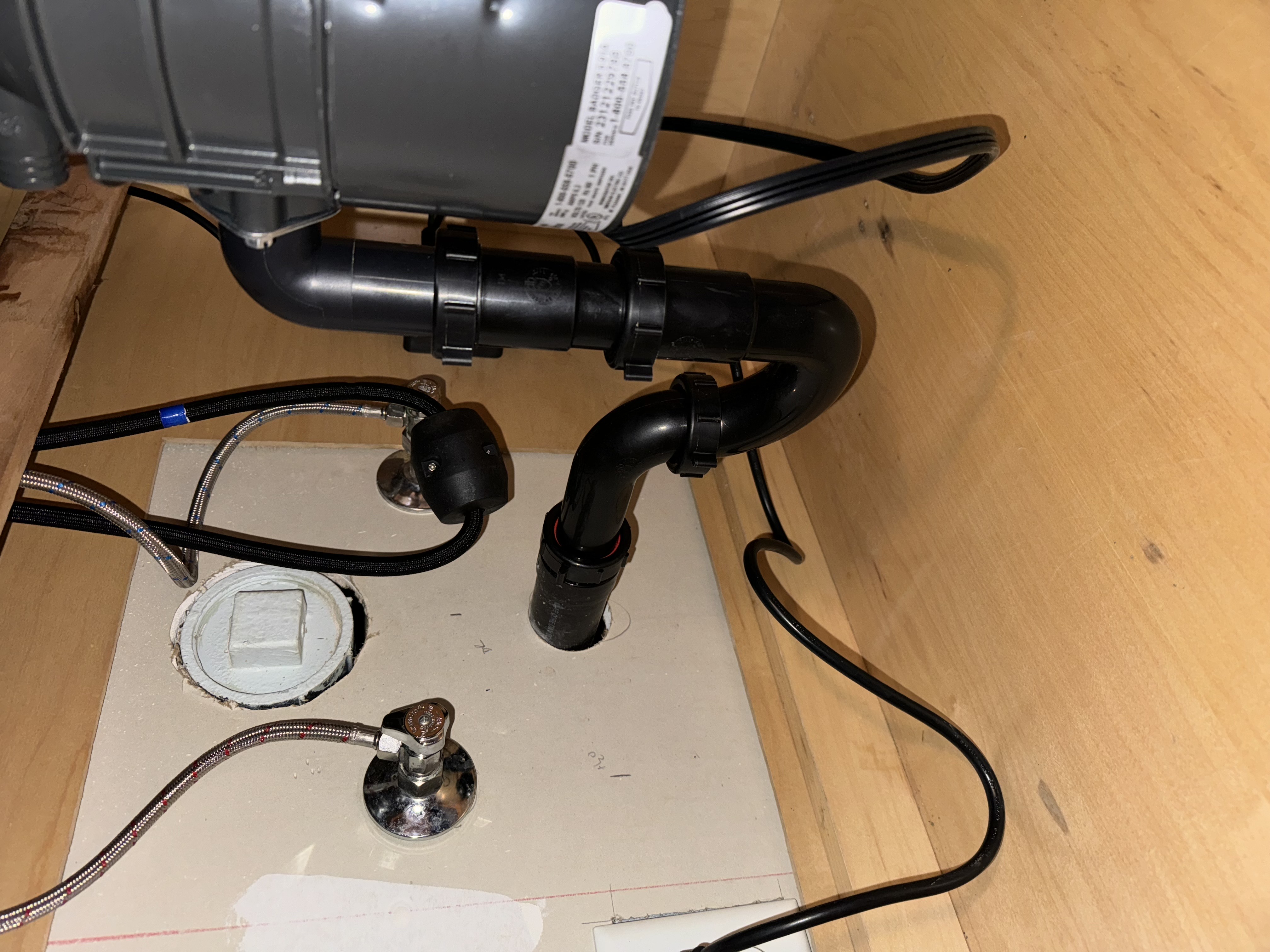
Look for sluggish drips at the repair work after the system heats up. A joint that is dry when cold can weep as temperature level modifications. Clean it with a dry paper towel, delay, and check again. Wrap a paper towel around the joint over night if you intend to be particular. Small weeps must be fixed, not ignored.
When the city requires to be involved
If the break is on the service line in between the meter and your home, the obligation line matters. In Oregon City, the home owner generally owns and keeps the service line from the consumer side of the meter to your home. If the leakage is on the road side of the meter or inside the meter itself, call the city's water department. If you think a below ground service leak because the meter rotates with all shutoffs shut, you will likely need a leakage discovery business to map the line. Identifying the leak minimizes trenching and landscape damage. In winter months, wet ground can mask a service leakage for weeks, so keep an eye on your bill for inexplicable increases.
A tranquil strategy beats a frantic scramble
The distinction between a small fixing and a major loss is usually a handful of actions you take in the initial hour. Know your shutoff. Keep a few fundamental repair work items on a shelf. Protect the vulnerable runs prior to the cold shows up. When a pipeline ruptureds, aim to quit the water, support the room, and make a repair work that fits the scenario. Usage short-lived steps when you must, after that follow with a correct fix once the weather and routine permit. Oregon City winters months are not the toughest, however they are tricky. A little prep work and a clear head go a long way.
If you need aid fast, call a certified neighborhood plumber, define the issue clearly, and inquire about their path from momentary stabilization to permanent repair. For numerous homes, a simple adjustment now prevents the following ruptured. And if you ever before doubt your following step, shut the water, take pictures, and bring in a pro. You can take care of the remainder with dry clothing, a few followers, and a plan that appreciates both your home and the environment it lives in.